 +31 (0) 33-253-6804
  Museums & Exhibition Spaces
Intercell in Museums and Exhibition Spaces
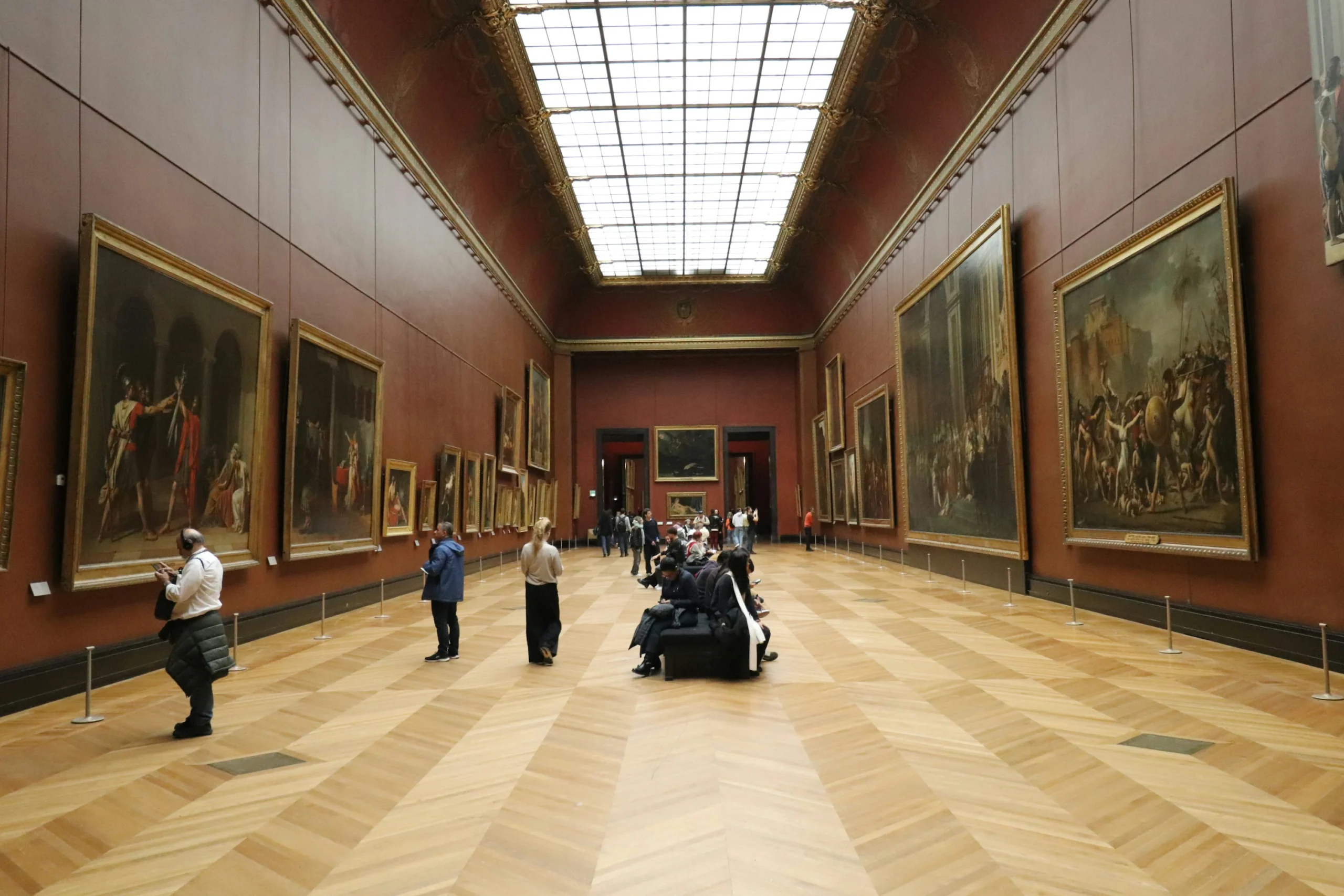
In a museum or exhibition space, everything revolves around the visitor experience. Intercell provides an invisible infrastructure that keeps the focus entirely on the collection.

Invisible infrastructure, maximum experience
In a museum or exhibition space, everything revolves around the visitor experience. Attention must be directed entirely towards the artworks, objects or installations — not towards visible cables, conduits or technical provisions that clutter the space and disrupt the experience. At the same time, exhibitions change regularly, requiring a flexible and easily adaptable infrastructure that keeps pace without necessitating major renovations or significant costs.
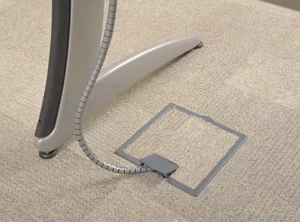
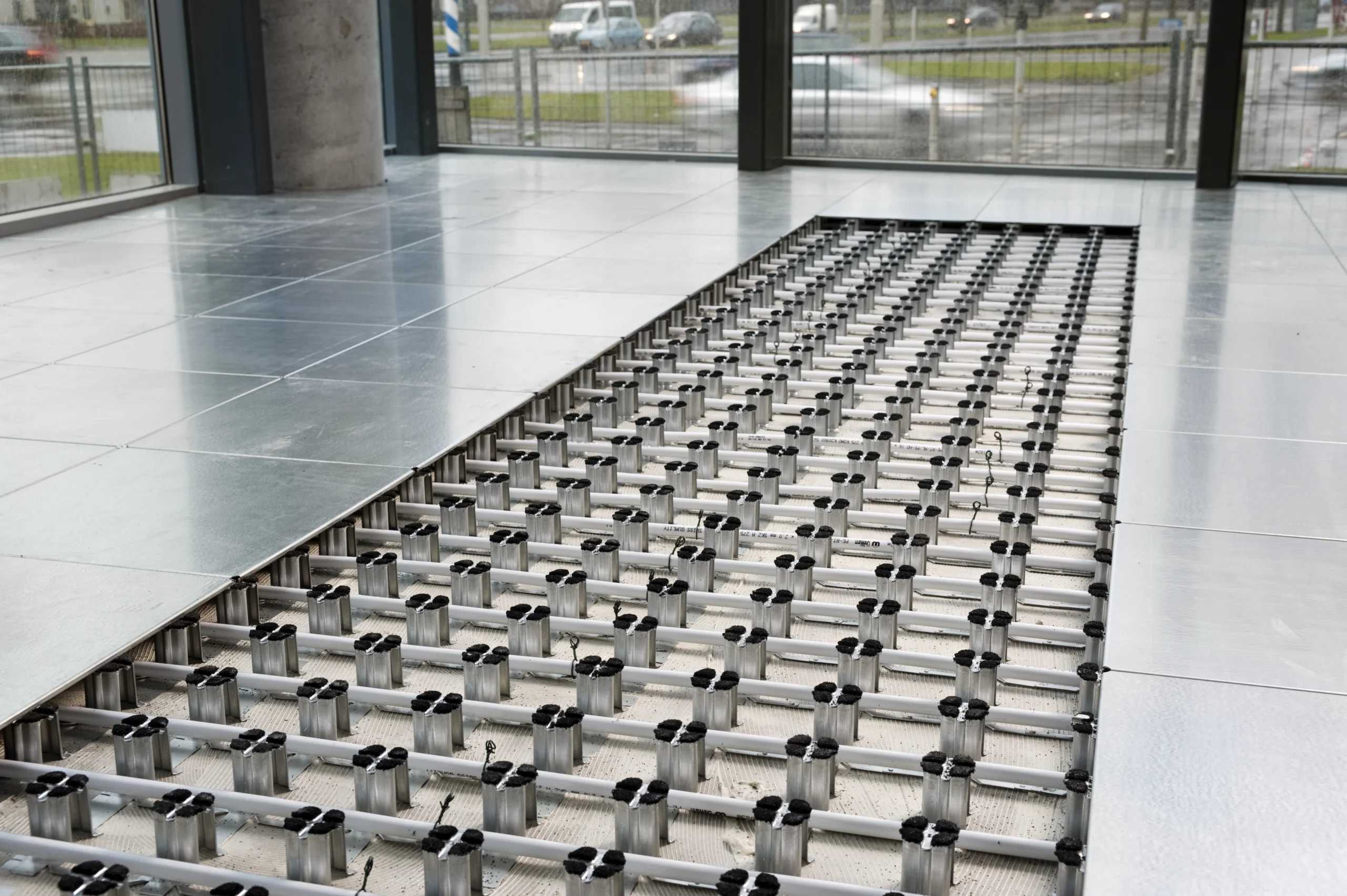
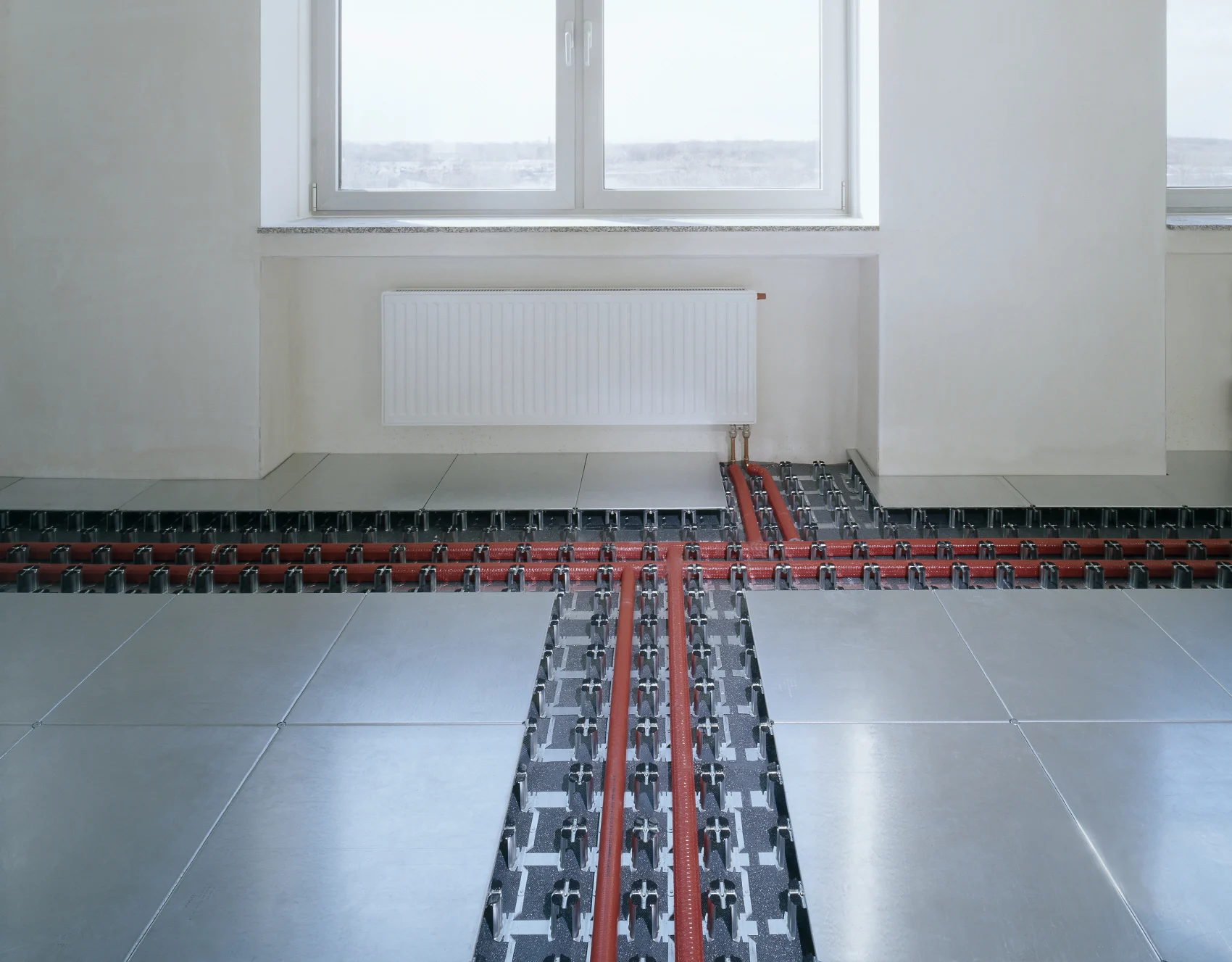
Intercell offers the perfect solution. The modular floor system neatly conceals all cables, power and data connections beneath the floor, with no visible conduits or trip hazards for visitors. Installation is fast and drill-free, leaving the original floor of the museum or exhibition space completely intact. And when the exhibition changes, the system adapts effortlessly — no demolition work, no contractor and no excessive costs.
Museums and exhibition spaces place unique demands on infrastructure.
The space must always look well-maintained and professional, technical installations must remain out of sight, and the layout must be quick and easy to reconfigure when a new exhibition is being set up. At the same time, strict requirements apply regarding fire safety and preservation of the original floor — particularly in historic properties and listed buildings. Intercell meets all of these requirements. Below are the six key benefits for your museum or exhibition space.

Flexible for every exhibition
Museums and exhibition spaces are constantly evolving. New exhibitions, changing layouts and an increasing amount of interactive technology require an infrastructure that adapts without the need for major investments or renovations. Intercell makes this possible. The modular floor system is easy to expand, adjust and maintain, without major renovations or high costs. Whether it concerns a temporary exhibition, a permanent installation or a completely new layout of the space, Intercell adapts without disrupting day-to-day operations.
Thanks to the floor boxes for power and data connections, every layout, every artwork and every interactive installation has exactly the connections it needs, precisely where they are needed. And because the floor panels are easy to remove, adjustments are implemented quickly and without disruption, even outside opening hours. This ensures you always have the flexibility to respond to new exhibitions and new technologies, without being dependent on a contractor or a major renovation.
Technical specifications
For museums and exhibition spaces, fire safety and minimal impact on the existing floor are the most critical specifications. Intercell excels on both counts and complies with all applicable standards for use in cultural and historic buildings. Below are the most relevant technical specifications for your environment.
Fire classification
Tested in accordance with EN13501-1 and EN13501-2. Essential for the protection of valuable collections.
mm floor thickness
Minimal impact on the existing floor. Ideal for historic properties and listed buildings.
Frequently Asked Questions
Is Intercell suitable for use in a museum or exhibition space?
Yes, Intercell is exceptionally well suited for museums and exhibition spaces. The system neatly routes all cables, power, and data connections beneath the floor, with no visible conduits or trip hazards for visitors, leaving the original floor completely intact.
Does the museum's original floor remain intact when Intercell is installed?
Yes, Intercell is installed using an adhesive bond, without drilling and without any demolition work. The original floor remains completely undisturbed, including in listed buildings and historic structures where preservation of the original fabric is mandatory.
How quickly can the exhibition space be reconfigured with Intercell?
Very quickly. The floor panels can be removed and repositioned in no time, cables are easily rerouted, and floor boxes are relocated to the new positions. This allows you to adapt your exhibition space rapidly and efficiently for a new exhibition.
Can installation take place outside opening hours?
Yes, Intercell is installed quickly without drilling and without any demolition work. Installation can be carried out outside opening hours, minimising disruption to the museum and allowing it to reopen to visitors as soon as possible.
Is Intercell sufficiently fire-safe for use in a museum housing valuable collections?
Yes, Intercell has been fire-resistance tested in accordance with EN13501-1 and EN13501-2, class Afl-s1. The system meets the most stringent fire safety standards and poses no risk to valuable artworks and objects.
Can Intercell be used in a historic or listed museum building?
Yes, Intercell is exceptionally well suited to historic and listed buildings. The system is installed without drilling, ensuring that the original floor and structure of the building remain completely intact.
Is Intercell also suitable for interactive exhibitions with extensive technology?
Yes, Intercell provides floor boxes for power and data connections at precisely the required locations. Interactive installations, screens, and audiovisual equipment can be connected with ease, and the infrastructure can be quickly adapted whenever the exhibition changes.
Intercell for your museum or exhibition space?
Contact us for personalised advice on the possibilities of Intercell in your situation.