 +31 (0) 33-253-6804
  Production and industry
Intercell in production and industry
A floor that is reliable, handles heavy use, and adapts seamlessly to your production process: that is Intercell.

A floor that works as hard as you do
In a production or industrial environment, the floor cannot be a weak link. It must be reliable, capable of withstanding heavy use, and able to adapt easily to changes in your operational process. A traditional floor often falls short in this regard. Cables get in the way, modifications require time and demolition work, and maintenance causes unnecessary downtime that slows production and increases costs.
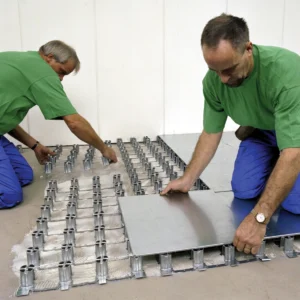
Intercell is the answer to that. The modular floor system is specifically designed for environments where high demands are placed on both load capacity and flexibility. Cables, power, and data connections are neatly concealed beneath the floor, installation is fast and requires no drilling, and when your production process changes, the system simply adapts. No demolition work, no disruption, no unnecessary costs, and no unnecessary downtime in your production process.
 Manufacturing and industry
A floor that works as hard as you do
In a manufacturing or industrial environment, the floor cannot be a weak link. Heavy machinery, forklifts, and intensive daily use place high demands on every component of the workspace, including the floor. Intercell is designed to meet those demands, from initial installation to the final adjustment. The system combines high load-bearing capacity with maximum flexibility, allowing you to respond swiftly to changes in your production process without requiring major investments or extended periods of downtime. These are the four key benefits for your production environment.
 High load-bearing capacity
No trip hazard
Minimal installation time
Rapidly adaptable
High load-bearing capacity
No trip hazard
Minimal installation time
Rapidly adaptable
Why Intercell in production and industrial environments?
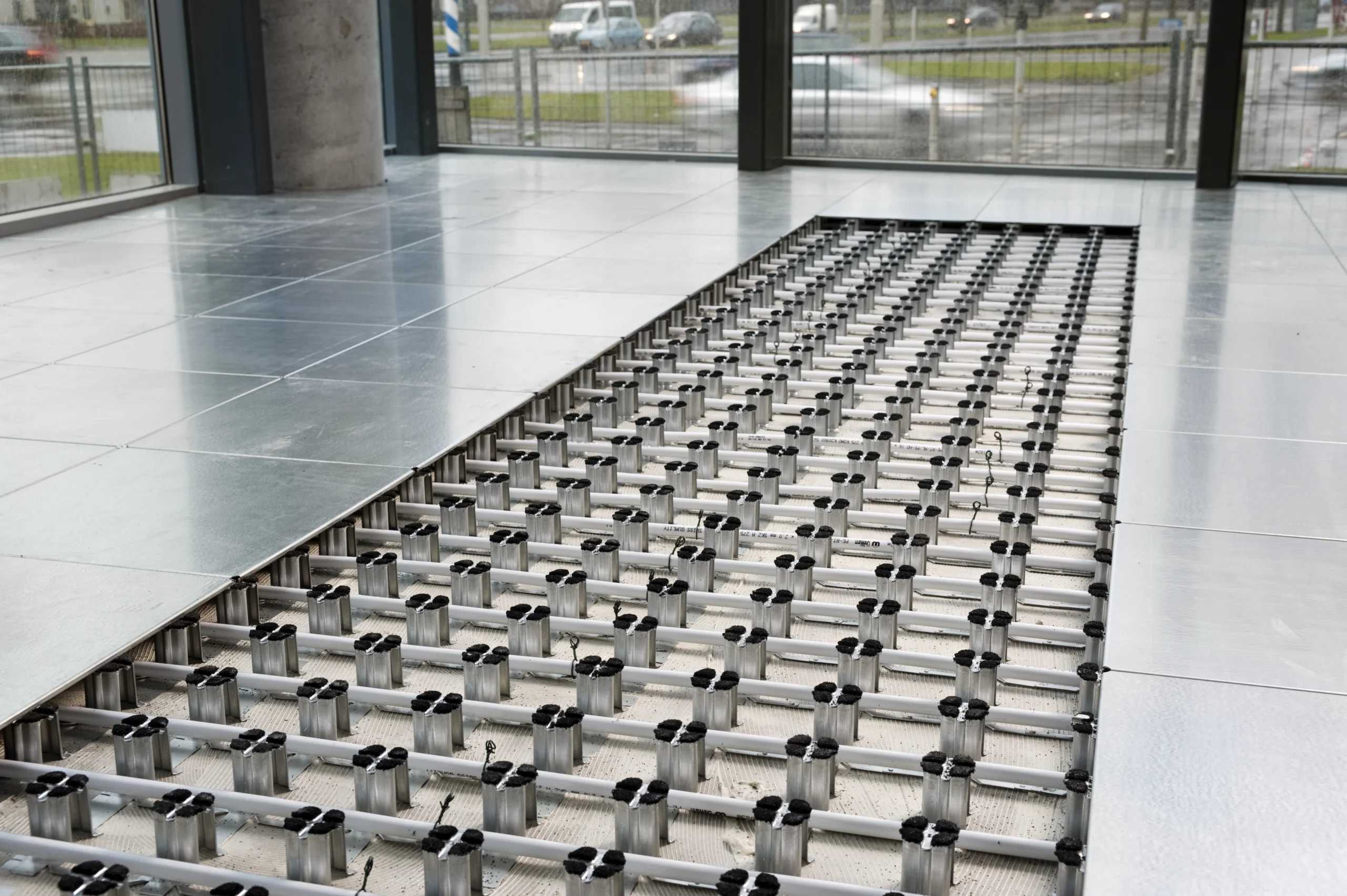
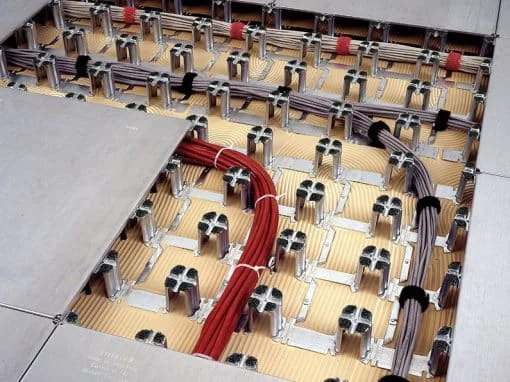
In production and industrial environments, floors are subject to demanding requirements. Heavy machinery, forklifts, and intensive use call for a system that is reliable, durable, and easy to adapt when the layout of a space changes. Intercell combines high load-bearing capacity with the flexibility to route cables, power, and data connections neatly beneath the floor. No visible conduits, no tripping hazards, and always rapid access to the services below the floor.
Thanks to the available system heights and lightweight construction, Intercell is suitable for both existing and newly fitted-out production spaces. The system adds only 22 kg/m² to the structure, making it suitable for use in older buildings without issue. And because the floor panels are easy to remove, modifications can always be carried out quickly — even outside production hours. This ensures you always have the flexibility to respond to changes in your production process, without being dependent on a contractor or a major renovation.
Technical specifications
For production and industrial environments, high load capacity and fire safety are the most critical specifications. Intercell meets the most stringent standards in both areas and is certified for use in demanding industrial environments. Below are the most relevant technical specifications for your production environment.
Class EN12825
Max. load > 9 kN, deflection < 2.5mm. Suitable for heavy machinery and forklift traffic.
kg point load
Maximum working load on a point load of 25x25mm. Ideal for heavy industrial applications.
Fire classification
Tested in accordance with EN13501-1 and EN13501-2. Required in industrial environments with fire risk.
Frequently asked questions
Is Intercell suitable for heavy use in a production environment?
Yes, Intercell is certified to EN12825, Class 4B, and can withstand point loads of up to 1,000 kg. The system is designed for intensive daily use in demanding environments, from heavy production machinery to loaded forklifts.
Can Intercell be used in areas with forklift traffic?
Yes, the high load-bearing capacity of Intercell makes the system suitable for use in areas with forklifts and heavy vehicles. The maximum working load is 10 kN on a point load of 25x25mm, equating to more than 1,000 kg.
How quickly can Intercell be installed in a production facility?
Intercell is installed quickly on a levelled floor using adhesive bonding, without drilling and without demolition work. Installation can be carried out outside production hours, minimising disruption to your production process so that operations need not stop for a single day.
Can I reconfigure Intercell if the layout of my production line changes?
Yes, the floor panels can be removed and repositioned in no time. Cables are easily rerouted and the layout is quickly adjusted, without a contractor and without demolition work. This allows you to respond swiftly to any changes in your production process.
Is Intercell sufficiently fire-safe for use in a production environment?
Yes, Intercell has been fire-resistance tested in accordance with EN13501-1 and EN13501-2, class Afl-s1. The system meets the most stringent fire safety standards for use in production and industrial environments.
Does Intercell affect the load-bearing capacity of my building?
Intercell is a lightweight system that adds only 22 kg/m² to the structure. This makes the system suitable for both new and existing production buildings, even where load-bearing capacity is limited.
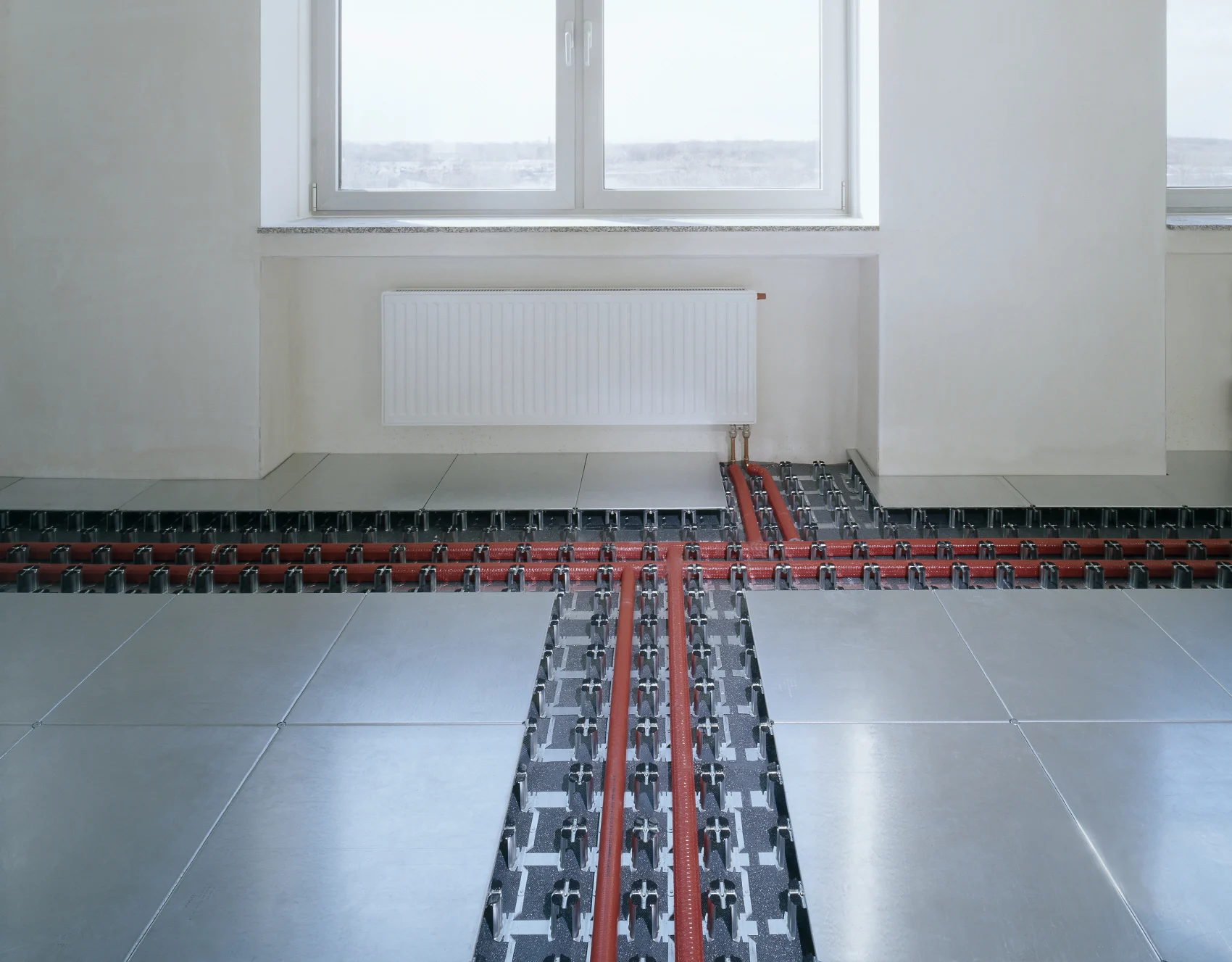
Can I use Intercell for cable management and underfloor heating at the same time?
Yes, Intercell is ideally suited for combining cable management and underfloor heating beneath a single floor. Both cables and heating pipes are neatly concealed between the floor supports, without additional cable ducts or modifications to the existing structure.
Interested in Intercell for your production environment?
Contact us for personalised advice on the possibilities of Intercell for your situation.